Leafing vs Non-Leafing Aluminium Paste Guide
2026 / 01 / 29Aluminium paste is one of the most important metallic pigments in modern coating, ink, and surface protection industries. It provides metallic gloss, corrosion resistance, and decorative appearance. Among different grades, leafing aluminium paste and non-leafing aluminium paste are the most widely used.
For coating manufacturers, ink producers, and industrial material suppliers, understanding the difference between these two types is essential for product performance, cost control, and customer satisfaction.
This guide provides a comprehensive technical comparison based on production process, surface chemistry, application performance, and industrial practice.
1. What Is Aluminium Paste?
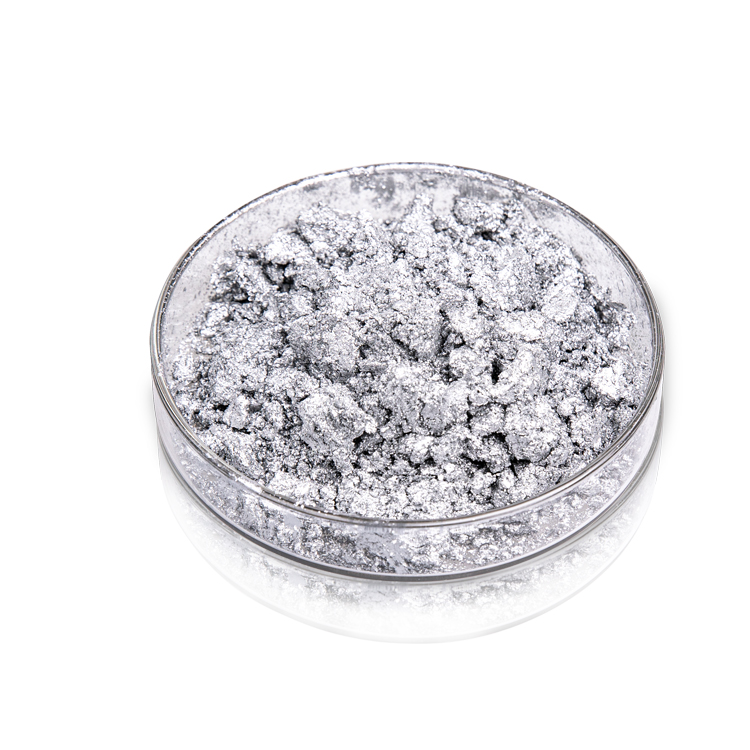
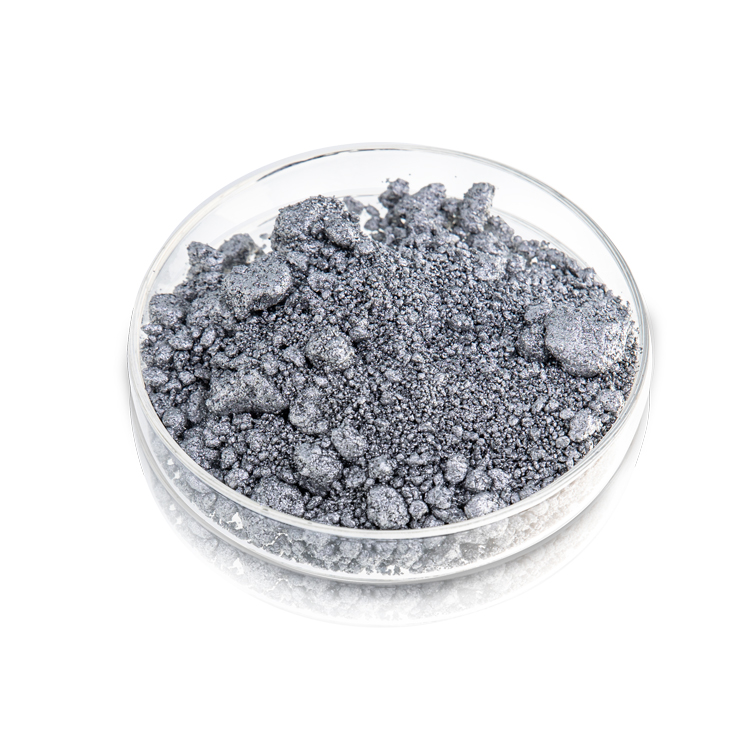
Aluminium paste is produced by ball milling aluminium powder with lubricants and solvents. During milling, aluminium particles are flattened into flakes with high aspect ratio.
Basic Composition
-
Aluminium flakes (65%–75%)
-
Organic solvents
-
Surface treatment agents
-
Stabilizers
High-quality aluminium paste manufacturers strictly control these components to ensure stability.
2. Leafing Aluminium Paste: Structure and Working Mechanism
2.1 Definition
Leafing aluminium paste forms a floating metallic layer on the coating surface. After application, aluminium flakes migrate upward and align parallel to the coating film.
2.2 Surface Chemistry
Leafing paste is treated with hydrophobic fatty acids, such as stearic acid. This treatment increases surface tension differences, allowing flakes to float.
2.3 Performance Characteristics
-
Mirror-like metallic gloss
-
Strong water barrier
-
Excellent anticorrosion effect
-
High reflectivity
2.4 Typical Applications
-
Marine coatings
-
Steel structure paints
-
Oil tank coatings
-
Bridge protection systems
3. Non-Leafing Aluminium Paste: Structure and Working Mechanism
3.1 Definition
Non-leafing aluminium paste disperses evenly throughout the coating layer instead of floating.
3.2 Surface Treatment
Non-leafing aluminium paste is treated with polar compounds that improve resin compatibility.
3.3 Performance Characteristics
-
Uniform metallic appearance
-
Strong adhesion
-
Better abrasion resistance
-
Stable color retention
3.4 Typical Applications
-
Automotive coatings
-
Printing inks
-
Powder coatings
-
Decorative paints
4. Manufacturing Process Comparison
4.1 Raw Material Selection
High-purity aluminium powder (>99.7%) is preferred to reduce oxidation.
4.2 Ball Milling Technology
Advanced manufacturers use:
-
Low-temperature milling
-
Controlled oxygen environment
-
Multi-stage classification
4.3 Surface Modification
Different surface agents determine leafing behavior and stability.
5. Technical Performance Comparison
|
|---|
6. How to Select the Right Aluminium Paste
6.1 Application System
-
Solvent-based coatings → Leafing
-
Water-based inks → Non-leafing
-
UV systems → Modified grades
6.2 Environmental Regulations
Choose low-VOC, heavy-metal-free grades for EU and US markets.
6.3 Processing Conditions
Consider mixing speed, temperature, and dispersion equipment.
7. Common Problems and Solutions
|
|---|
8. Market Trends and Development
Future aluminium paste development focuses on:
-
Water-based compatibility
-
Nano-coating technology
-
Eco-friendly solvents
-
Higher weather resistance
9. Why Choose Professional Manufacturers
Reliable aluminium paste suppliers provide:
-
Stable batch quality
-
Customized grades
-
Technical support
-
International certifications
10. Conclusion
Leafing and non-leafing aluminium paste each play unique roles in coating and ink industries. Proper selection improves performance, reduces cost, and increases product competitiveness.
- Previous:I have no
- Next:Tips to store aluminium paste