Aluminum Paste for Architectural Coatings
2026 / 05 / 06
1 Environmental Exposure in Architectural Projects
Architectural coatings must withstand:
- Continuous UV radiation
- Acid rain and air pollutants
- Humidity and temperature fluctuations
- Abrasion and weathering
- Thermal expansion and contraction
Exterior wall coatings and roof systems can experience surface temperatures above 70°C in summer conditions. In such environments, aluminum paste contributes significantly to:
- UV reflection
- Heat reduction
- Moisture resistance
- Barrier protection
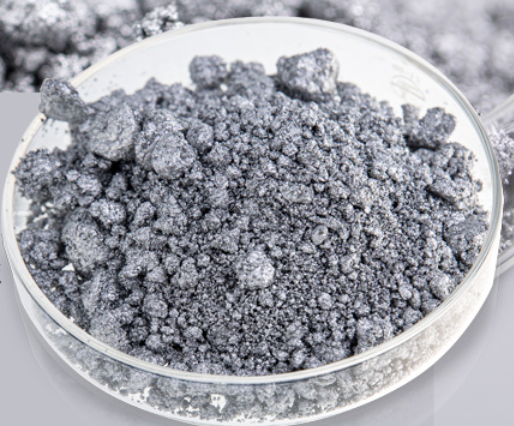
Aluminum flakes create a layered, overlapping structure within the coating film, forming a reflective shield that improves durability and extends maintenance cycles.
2 Why Aluminum Paste Is Used in Building Coatings
2.1 Metallic Decorative Effect
Architectural aluminum paste provides:
- Bright silver finishes
- Sparkling metallic textures
- Satin and matte metal effects
- Modern industrial aesthetics
These finishes are widely used for:
- Curtain walls
- Steel structures
- Roofing systems
- Decorative panels
- Interior feature walls
2.2 Solar Reflectivity and Energy Saving
Aluminum paste improves solar reflectance. Studies show reflective roof coatings can reduce surface temperature by 15–25°C under strong sunlight.
High reflectance aluminum paste:
- Reduces heat absorption
- Improves building energy efficiency
- Lowers cooling costs
This is especially critical in tropical and desert climates.
2.3 Anti-Corrosion Barrier Effect
The lamellar (flake) structure of aluminum paste forms a “brick wall” arrangement in the coating film:
- Blocks moisture penetration
- Slows oxygen diffusion
- Enhances long-term corrosion resistance
This is particularly valuable for:
- Steel bridges
- Industrial buildings
- Coastal construction
- Warehouses
3 Leafing vs Non-Leafing Aluminum Paste in Architectural Coatings
Choosing the correct type of aluminum paste directly affects durability and appearance.
| Property | Leafing Aluminum Paste | Non-Leafing Aluminum Paste |
| Flake Position | Floats to surface | Evenly distributed |
| Surface Brightness | Very high | Moderate to high |
| Barrier Protection | Excellent top-layer shield | Balanced internal protection |
| Outdoor Durability | Good (needs sealing) | Excellent |
| Clear Coat Compatibility | Limited | Very good |
| Typical Use | Roof coatings, anti-corrosion primers | Exterior wall systems, architectural finishes |
Selection Strategy
1 If maximum brightness and reflectivity are required → choose leafing aluminum paste
2 If long-term outdoor durability and overcoating are needed → choose non-leafing aluminum paste
For architectural systems requiring clear topcoat protection, non-leafing aluminum paste is generally preferred.
4 Performance Standards and Testing
Architectural aluminum paste coatings are typically evaluated by:
- Salt spray test (ASTM B117)
- QUV accelerated weathering
- Adhesion testing
- Water resistance
- Heat aging
Example performance comparison:
| Test Item | Standard Architectural Coating | With High-Quality Aluminum Paste |
|---|---|---|
| Salt Spray (hours) | 300–500 hrs | 800–1200 hrs |
| QUV Resistance | 500 hrs | 1000+ hrs |
| Solar Reflectance | 30–40% | 60–85% |
| Surface Temperature Reduction | — | Up to 20°C |
These improvements significantly extend repaint cycles and reduce maintenance costs.
5 Water-Based vs Solvent-Based Systems
Architectural coatings are increasingly shifting toward water-based systems due to environmental regulations.
Water-Based Aluminum Paste
Advantages:
- Low VOC
- Environmentally compliant
- Suitable for indoor projects
- Good compatibility with acrylic systems
Challenges:
- Dispersion sensitivity
- Requires proper surfactant treatment
Solvent-Based Aluminum Paste
Advantages:
- Stronger brightness
- Excellent metallic effect
- Stable dispersion
Suitable for:
- Industrial steel structures
- Heavy-duty anti-corrosion coatings
6 Common Application Areas
Aluminum paste for architectural coatings is widely used in:
- Exterior wall coatings
- Metal roofing paints
- Reflective roof coatings
- Steel structure protection
- Decorative metallic facade panels
- Interior industrial-style finishes
7 Cost Efficiency and Lifecycle Advantage
Although aluminum paste increases initial coating cost slightly, it significantly reduces long-term expenses.
Lifecycle comparison:
- Lower maintenance frequency
- Extended repaint intervals
- Reduced corrosion repair cost
- Energy savings through solar reflectivity
Over a 10-year period, aluminum-enhanced architectural coatings can reduce total maintenance cost by 20–35%.
8 Key Purchasing Considerations
When sourcing aluminum paste for architectural coatings, buyers should evaluate:
1 Particle size distribution
2 Flake morphology
3 Solid content
4 Compatibility with resin system
5 Anti-oxidation stability
6 Batch consistency
Large architectural projects require stable supply capacity, uniform quality control, and technical support for formulation adjustment.
9 Future Trends in Architectural Aluminum Paste
The industry is evolving toward:
- Low-VOC water-based aluminum paste
- High-reflectivity cool roof systems
- Nano-treated corrosion-resistant flakes
- Customized metallic textures
- Sustainable building materials
Green building certification systems increasingly favor reflective coatings, driving demand for advanced aluminum paste technology.
Conclusion
Aluminum paste is no longer just a decorative additive in architectural coatings—it is a functional performance enhancer.
By improving solar reflectivity, corrosion resistance, durability, and aesthetics, aluminum paste plays a critical role in modern building protection systems.
For formulators, contractors, and procurement managers, selecting the right aluminum paste type—leafing or non-leafing, water-based or solvent-based—directly impacts project lifespan and energy efficiency.
If you are evaluating aluminum paste for architectural coatings, consider performance testing data, environmental compliance, and long-term cost efficiency before making your decision.
For technical data sheets, bulk supply information, or customized aluminum paste solutions for building applications, professional consultation is recommended to ensure optimal formulation compatibility and project success.
- Previous:Water-Based Aluminum Paste for Home Appliance Coatings
- Next:I have no